When planning an event, it’s easy to focus on logistics, guest lists, and schedules. But, the real magic happens when design elements come together to create an atmosphere that resonates with your guests—not just through what they see, but through how they feel. Whether it’s a corporate event, wedding, or party, the design of your event plays a crucial role in setting the mood, encouraging engagement, and ensuring everyone has a memorable experience.
In this blog, we’ll dive into event design tips that ensure your event looks as good as it feels. From color palettes to lighting and decor, we’ll explore how the right design choices can enhance the ambiance and elevate the emotional impact of your event.
1. Start with a Clear Vision: Define Your Event’s Mood
Every great event starts with a vision. What do you want your guests to feel when they walk into the room? Should they feel excited and energized, calm and relaxed, or sophisticated and elegant? The first step in designing your event is defining the mood you want to evoke.
How to Do It:
-
Theme and Purpose: Your event’s theme or purpose should be a guiding force behind all design decisions. A corporate retreat may require a more professional, calming design, while a wedding or birthday celebration might call for something more vibrant and festive.
-
Guest Experience: Consider how you want your guests to feel at various points of the event. Should the atmosphere feel intimate during dinner, and lively during dancing? This will inform how you design the event’s various spaces.
Once you’ve identified your desired mood, your design elements—like color, furniture, and decor—can all be curated to support this feeling.
2. Color Palettes: The Power of Color in Event Design
Color has the ability to evoke strong emotions and set the tone for any event. Whether it’s the cool tones of blues and purples or the warmth of reds and oranges, the right color scheme can make your event feel cohesive and visually stunning.
How to Do It:
-
Choose a Primary Color: Select a dominant color that represents your event’s mood. If you’re hosting a formal affair, deep shades like navy, burgundy, or gold can convey sophistication. For a more relaxed gathering, soft pastels or earth tones might work better.
-
Accent Colors: Use complementary accent colors to add depth and highlight specific design elements. For example, you might pair gold with white and blush for an elegant wedding or use vibrant yellows and greens for a summer celebration.
-
Keep Balance: It’s important to balance bold colors with neutral tones. Too many vibrant hues can overwhelm the senses, while too many neutrals can make the event feel flat. Aim for a harmonious blend that enhances the overall atmosphere.
Pro Tip: Be mindful of the psychology of color. For instance:
-
Blue evokes calm and trust.
-
Red creates excitement and energy.
-
Green represents tranquility and balance.
-
Purple is often associated with luxury and creativity.
3. Lighting: Set the Mood and Elevate the Experience
Lighting is one of the most powerful design tools in your event’s arsenal. Not only does it ensure visibility, but it also significantly impacts the ambiance. Lighting can be used to guide attention, highlight key moments, and set a mood that complements your event’s theme.
How to Do It:
-
Layered Lighting: A combination of ambient, task, and accent lighting can create a well-rounded atmosphere. For example, ambient lighting (overhead lights) can illuminate the room, while accent lighting (spotlights or uplights) draws attention to focal points like the stage or centerpieces.
-
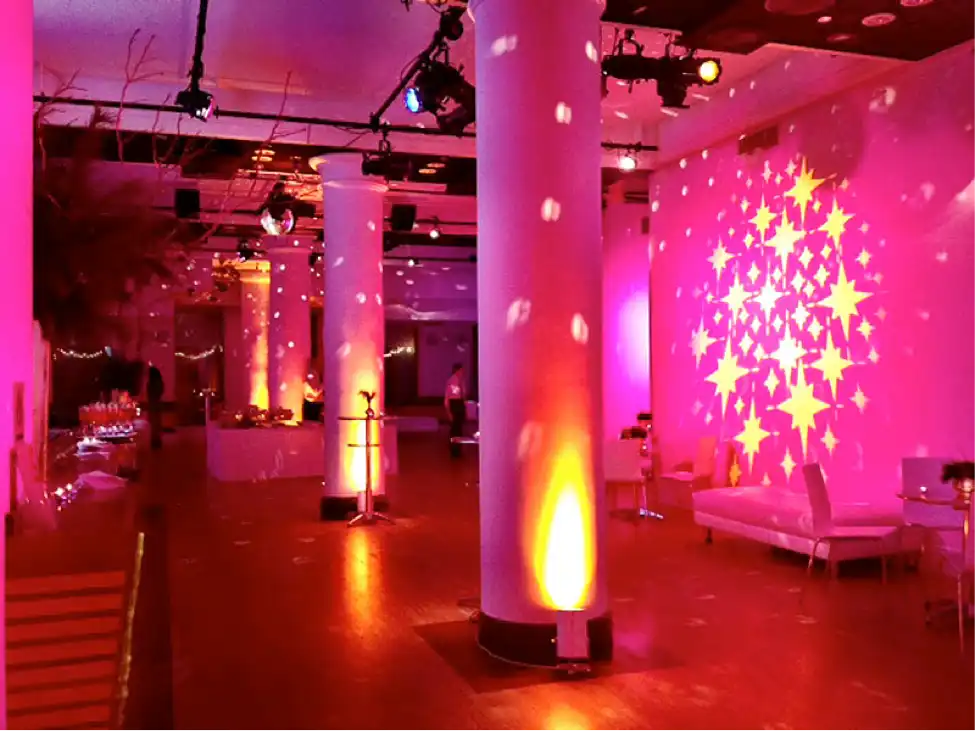
Colored Lights: If your event has a bold theme, consider using colored lights to enhance the visual atmosphere. Soft, warm tones can create an intimate and romantic setting, while brighter, dynamic lights can energize a party or concert.
-
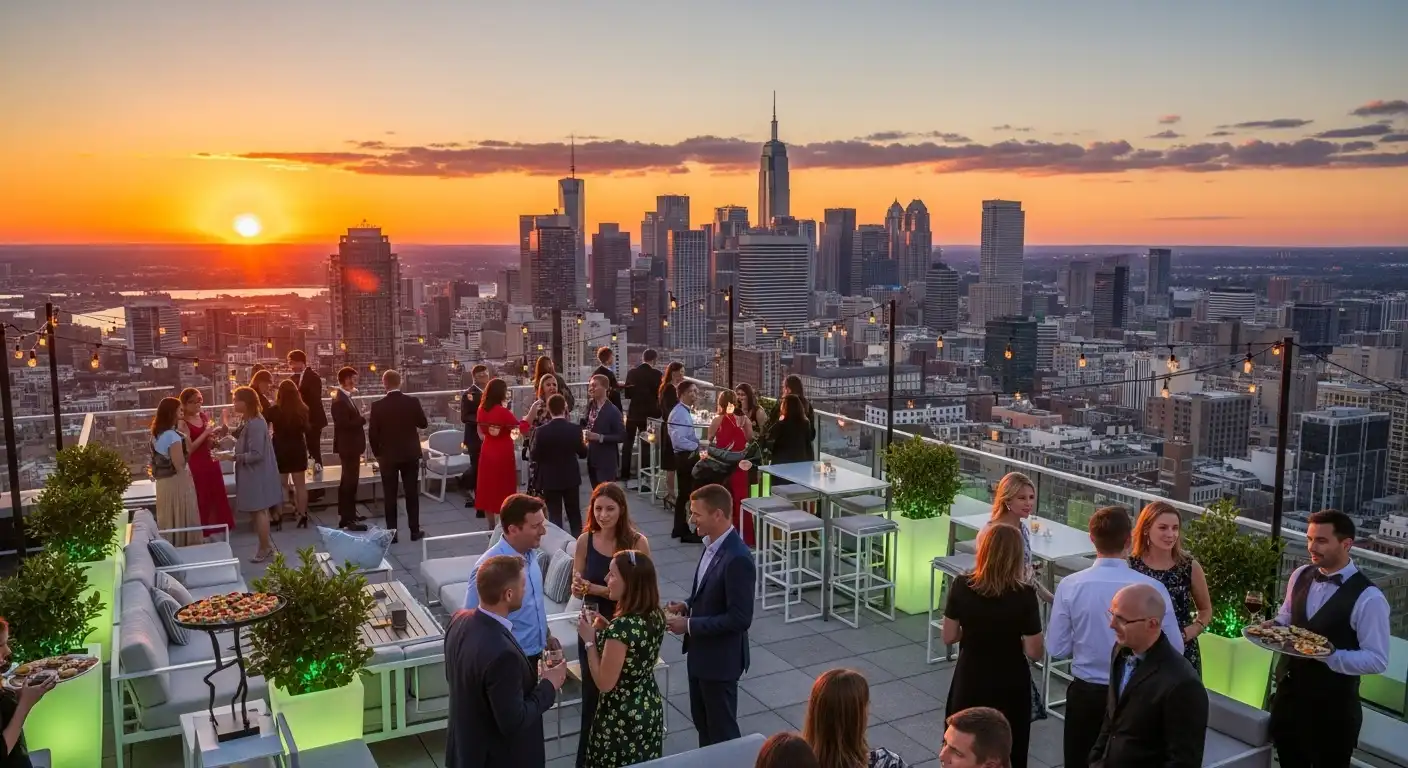
Candles and String Lights: Candles can add a touch of elegance and warmth to an event, while string lights create a whimsical, festive vibe. These soft lighting options are ideal for weddings, galas, or any event where you want to create a relaxed, cozy environment.
Pro Tip: Always keep your guests’ comfort in mind. Harsh lighting can make people feel uneasy, while dim lighting can make it difficult for guests to navigate. The right balance is key.
4. Furniture and Layout: Design for Comfort and Flow
When it comes to furniture and layout, comfort and functionality are just as important as aesthetics. The way you arrange furniture can guide the flow of the event, make socializing easier, and help create a more immersive experience for guests.
How to Do It:
-
Seating Arrangements: Consider how your guests will interact with each other. For a wedding, long banquet-style tables may encourage conversation, while round tables create a more intimate setting. For corporate events, a mix of lounge areas and formal seating can allow for both networking and relaxation.
-
Space for Movement: Make sure the space isn’t overcrowded, allowing guests to move freely. Be mindful of walkways, stage setups, and areas for mingling or dancing. A cramped space can make your event feel uncomfortable and disorganized.
-
Statement Furniture: High-quality, stylish furniture can elevate your event’s design instantly. Opt for pieces that reflect the tone of your event, whether it’s sleek and modern chairs for a corporate gala or elegant armchairs for a sophisticated dinner.
Pro Tip: Invest in comfortable seating options. Your guests should feel relaxed and at ease, whether they’re sitting for a meal or mingling during cocktail hour.
5. Decorations and Floral Design: Add Personality and Charm
Decorations and floral arrangements are often the finishing touches that tie your entire event together. These elements should reflect your theme and complement the overall design of the event.
How to Do It:
-
Floral Arrangements: Flowers bring life and color to your event. Choose flowers that fit the season and your color scheme. For example, rich, dark florals like deep red roses work well for a fall wedding, while light, pastel florals are perfect for a springtime celebration.
-
Unique Decor Pieces: Think outside the box by incorporating personalized items such as custom signage, unique table centerpieces, or creative photo booth props. These touches make the event feel personal and memorable.
-
Harmonize with the Space: Be sure that your decor complements the venue’s architecture. If your event is being held in a grand hall with high ceilings, large floral installations or hanging elements can add drama, while intimate spaces may benefit from more subtle decor.
Pro Tip: Don’t overdo it with decor. While you want to add beauty and charm, too many decorative elements can overwhelm the space. Keep it balanced and intentional.
6. Audio and Visual Design: Engage the Senses
The audio and visual experience is crucial in creating a memorable event. Whether it’s a well-curated playlist, a stunning video presentation, or a dynamic stage performance, audio-visual elements enhance the overall ambiance and create lasting memories.
How to Do It:
-
Sound Design: Pay attention to the acoustics and sound quality of your event space. Background music should enhance the atmosphere, not overpower conversations. If you’re hosting a formal dinner, consider live music or acoustic sets to create a serene vibe.
-
Video Projections: For special moments, consider incorporating projected visuals or video content. These can be used to share your brand message, show highlight reels, or even project beautiful nature scenes to set the mood.
Pro Tip: Always test the sound and visual systems before the event starts. There’s nothing worse than a technical malfunction when you’re trying to engage your guests.
7. Conclusion
When it comes to event design, the goal is to create an experience that not only looks visually stunning but also makes guests feel comfortable, engaged, and emotionally connected to the event. From choosing the right color scheme to designing the perfect layout and selecting the right music, every design element plays a role in shaping the overall experience.
By following these event design tips, you’ll be able to craft a space that enhances your event’s atmosphere and makes it look as good as it feels. With thoughtful planning, creativity, and attention to detail, your event will be one that your guests will remember for years to come.